
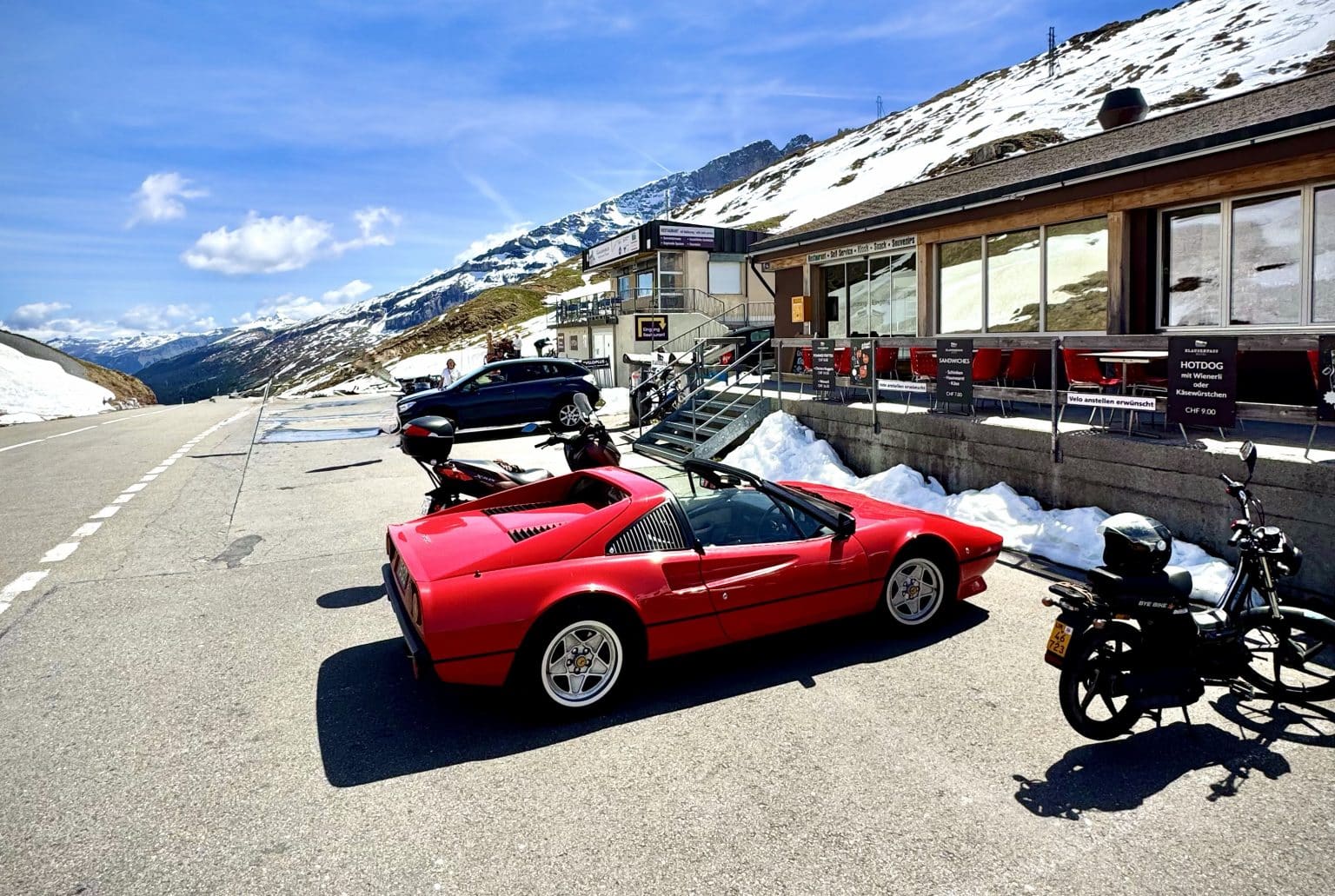
Planning a European road trip?
Alpine passes, Mediterranean coast roads and long days crossing countries are much more enjoyable when you’re confident the car beneath you is ready for them.
The road trip starts before you leave: preparing your car for Europe
Start with the car, not the packing
There is something wonderfully simple about a European road trip.
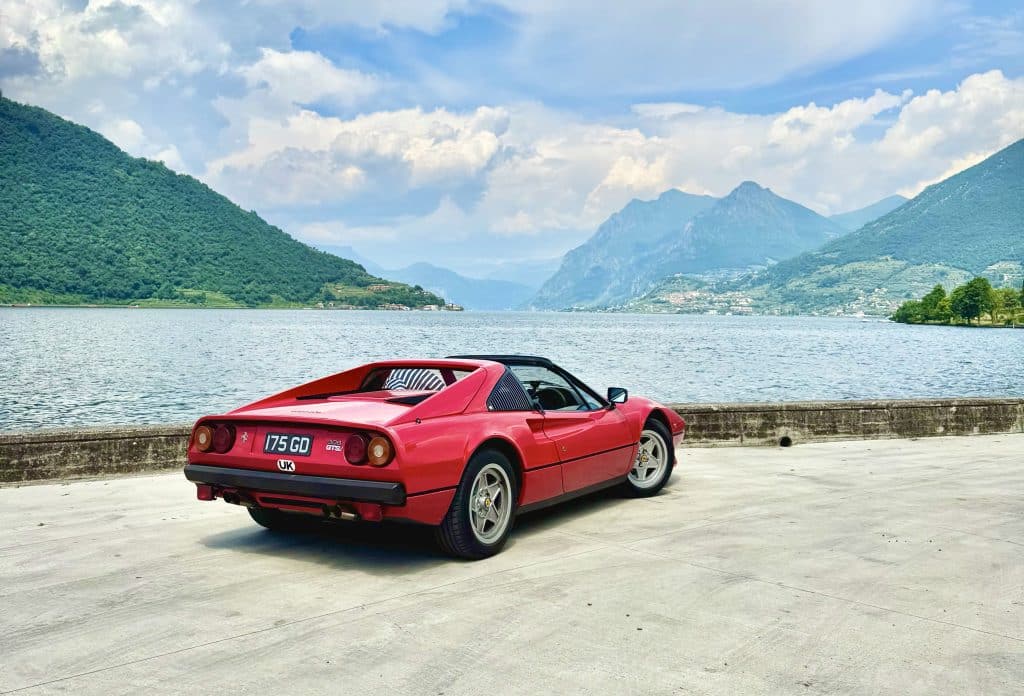
Pack the car, point it towards the Channel and watch familiar roads gradually turn into somewhere else.
The reality, of course, is that a great driving holiday asks rather more of a car than the average weekend at home. Long motorway stages, hot weather, mountain climbs, luggage and hundreds or thousands of miles can expose small problems remarkably quickly.
Preparation doesn’t need to turn into an engineering project. The aim is simply to remove as many avoidable problems as possible before the journey begins.
Give the car a proper check
If a service is due anywhere near the trip, doing it before departure makes sense.
Otherwise, work through the basics. Check oil and coolant levels, brakes, tyres, lights and windscreen washers. Look at the condition of wiper blades and make sure the air conditioning is doing what it should.
Tyres deserve particular attention.
Check pressures when cold, adjusting them for the load you’re carrying if the vehicle manufacturer specifies different fully-loaded pressures. Inspect tread and condition rather than relying solely on legal minimums.
And remember that the four tyres fitted to the car may not be the only ones worth thinking about. If your car has a spare, check that too. If it relies on a mobility kit, make sure you know how it works and that its components remain usable.
A puncture kit buried beneath a week’s luggage is not the ideal time to discover you’ve never opened it.
Think about the journey you’re actually making
A week of summer driving through France asks different questions of a car from an early-season Alpine journey.
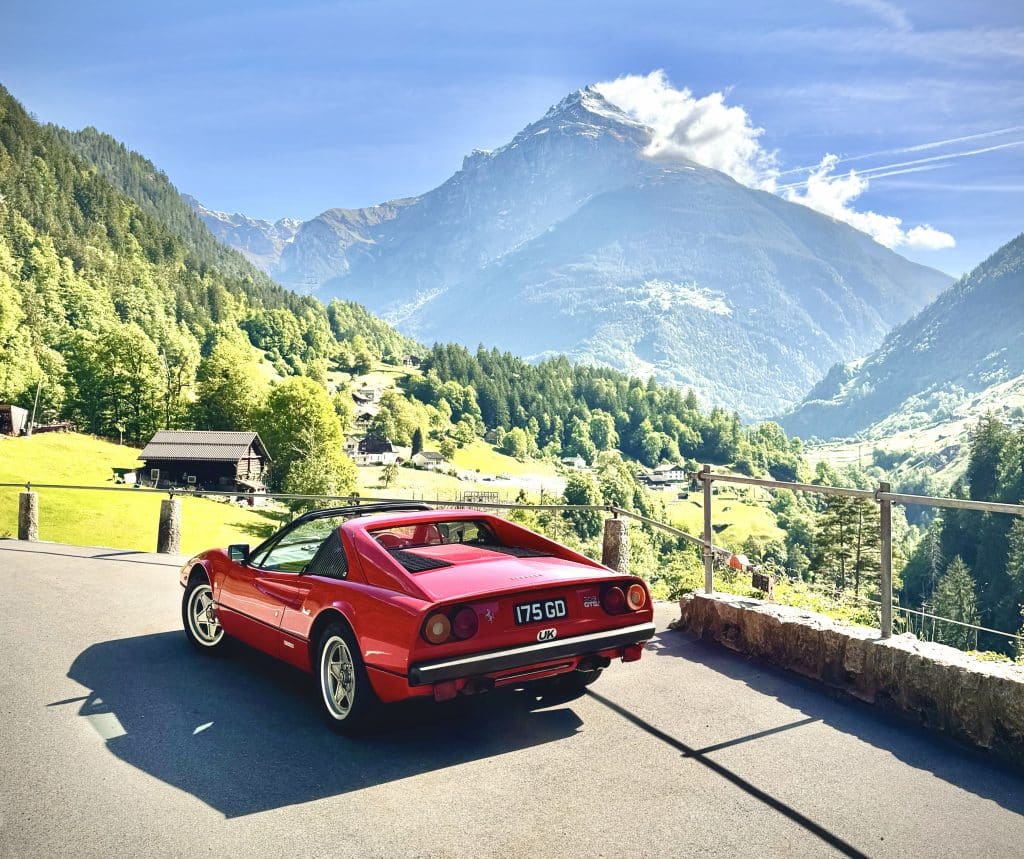
Mountain routes can bring dramatic changes in temperature and weather, while some countries and regions have seasonal requirements covering winter tyres, snow chains or other equipment.
Low-emission zones, toll systems and city access rules also vary considerably.
Don’t prepare for “Europe” as though it were a single destination. Look at every country on your route, including those you’re merely crossing.
The same applies to fuel. If you’re taking a classic, highly tuned performance car or something with a limited range, knowing where suitable fuel is available can remove unnecessary anxiety from remote sections of the route.
Put the paperwork together
For UK travellers taking their own vehicle into the EU, the essentials include your valid driving licence, vehicle registration document and valid insurance.
Current UK government guidance says holders of UK photocard licences generally don’t need an International Driving Permit to visit and drive in the EU, Switzerland, Iceland or Liechtenstein. Different circumstances can apply to paper licences and licences issued in some Crown Dependencies, so check your own situation before travelling. GOV.UK
If you’re taking your own vehicle into the EU for less than 12 months, carry its V5C. For a hired or leased UK vehicle, you’ll generally need the appropriate VE103 documentation showing you’re allowed to take it abroad. GOV.UK
A green card is no longer required for driving in the EU and a number of other European countries, although you still need valid insurance and should check exactly what cover your policy provides abroad. GOV.UK
There are also rules around displaying a UK identifier. In many countries a number plate incorporating the UK identifier and Union flag removes the need for a separate sticker, but Spain, Cyprus and Malta require a UK sticker regardless. GOV.UK
Rules change, so treat any checklist as a starting point rather than something to print once and keep in the glovebox for ten years.
Check every country on the route
This is the part worth doing properly.
Requirements for warning triangles, reflective clothing, lighting, winter equipment, tolls and environmental zones vary from country to country.
Speed limits and drink-drive limits can differ too.
Before leaving, check the official travel and motoring guidance for every country you’ll enter. GOV.UK specifically advises drivers to check individual country requirements before travelling. GOV.UK
It takes minutes at home. Sorting it out beside a motorway hundreds of miles away is considerably less enjoyable.
Breakdown cover deserves a closer look
Having breakdown cover and having useful European breakdown cover are not necessarily the same thing.
Check the countries included, the maximum trip duration and what happens if the car cannot be repaired locally.
This becomes particularly important with classics, unusual cars and high-performance machinery. Recovery home can matter more than roadside repair if a specialist part is required.
Save the assistance number in your phone and keep another copy with the car.
Pack for the car as well as yourself
The best kit is usually the boring stuff.
A tyre-pressure gauge, charging cable, torch, cleaning cloth, screen wash and a few items specific to your vehicle can be more useful than a boot full of tools you don’t know how to use.
With a classic car, sensible spares may be worth carrying if you know the vehicle has particular weaknesses and you or a recovery mechanic could realistically use them.
But don’t attempt to turn the boot into a mobile workshop.
Space and weight matter, especially in sports cars and motorcycles. Carry what is genuinely useful and leave room for the journey.
Don’t forget the human preparation
A car can be perfectly prepared while its driver isn’t.
Be realistic about daily mileage. Eight hours of motorway on day one followed by a dawn start for an Alpine pass may look efficient on a spreadsheet and feel rather different from behind the wheel.
Share driving where appropriate. Build in stops. Leave room for lunch.
And don’t make every day a race to the next hotel.
The best road trips usually contain some space for the unexpected road, café, viewpoint or village that wasn’t in the plan.
Preparation buys freedom
The purpose of preparation isn’t to remove spontaneity.
It’s to make spontaneity easier.
A well-prepared car, the correct paperwork and a sensible understanding of the countries ahead allow you to stop thinking about logistics and start concentrating on why you went in the first place.
The road.
Explore European driving journeys on Stradora and find somewhere worth preparing the car for.
Keep reading.

A French icon. On home roads.
Kevin McCloud takes the iconic Citroën DS home to France for a classic car road trip along the French Riviera…

Self-drive safari: why Africa is made for a road trip
Open roads, remarkable wildlife and somewhere extraordinary to stop for the night. Discover the appeal of exploring Africa with your…

The case for taking the long way: why the Grand Tour is back
Great roads, memorable stops and time to enjoy everything between them. Why the journey deserves as much attention as the…