

Guided or self-guided: which road trip suits you?
The same destination can feel very different depending on how you travel. Here’s how to choose a road-trip format that fits you.
Guided or self-guided: which road trip suits you?
Start with the day you want to have
Picture an ordinary morning on your next driving or riding holiday. Would you rather join a briefing, meet the other travellers and set off with a guide? Or enjoy breakfast at your own pace, check the route and decide where to make your first stop?
Neither answer determines whether you are an adventurous traveller. It tells you something more useful: how you like a holiday to work.
Guided and self-guided journeys can visit similar places while offering quite different experiences. The difference often becomes clearest in the small decisions: who chooses the departure time, who handles navigation and what happens when plans need to change.
What a guided journey can offer
On a guided trip, a leader accompanies participants for some or all of the programme. Depending on the operator, that might involve travelling in convoy, riding with a group or meeting for organised stages and activities.
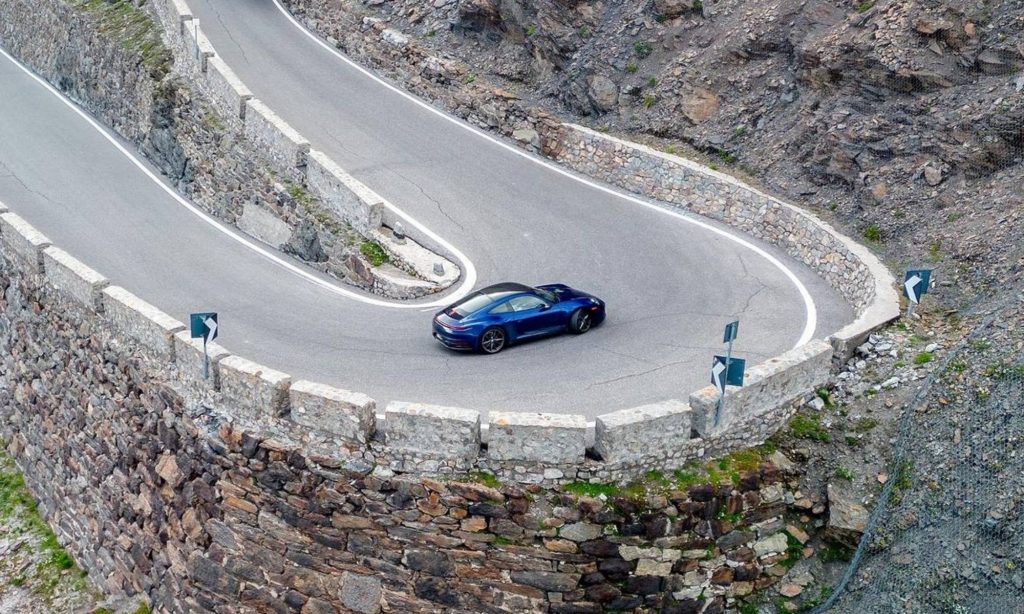
A guide can bring structure and context to unfamiliar surroundings. For some travellers, the appeal is knowing that someone else is coordinating the day. For others, it is the company: shared stops, conversations over dinner and the pleasure of travelling with people interested in the same things.
The details still need checking. A guided trip does not automatically include mechanical support, luggage transport or every meal. Group size, road pace and the amount of independent time can vary substantially.
Ask what a normal day looks like. Do people travel together throughout? Are there scheduled meeting points? Can you skip an optional activity or spend an afternoon independently? A clear explanation is more useful than the label alone.
What self-guided actually means
A self-guided journey puts more of the day-to-day travelling in your hands. The operator may arrange a route, accommodation, a vehicle or navigation information, but the exact package varies.
That can suit travellers who enjoy making their own progress while having an itinerary to build around. You might prefer to stop for photographs, linger over lunch or spend time exploring somewhere that catches your interest.
There are still boundaries. A booked overnight stay creates a destination for the day. Vehicle-return times, excursions and access arrangements can impose their own schedule. A self-guided tour is therefore worth reading as carefully as a guided one, especially if flexibility is your main reason for choosing it.
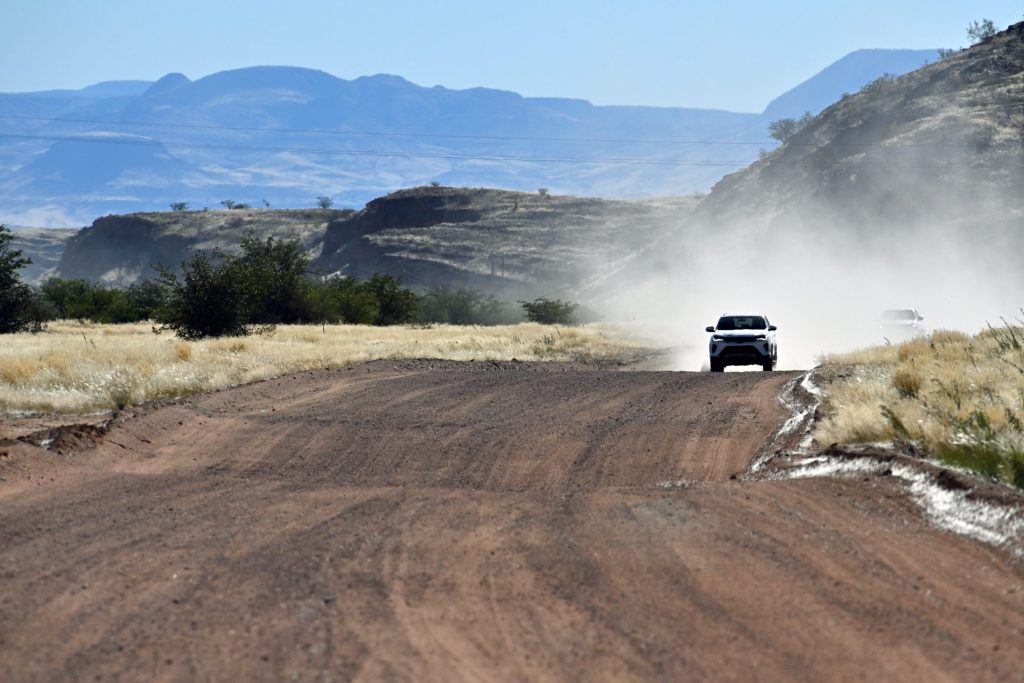
Navigation deserves particular attention. Establish whether you receive an app, GPX files, a road book or another system, and whether it works without a mobile signal. Ask what assistance is available if you need help, including when and how that support can be reached.
Supported journeys sit between the two
Some trips combine independent travel with a team working around the journey. You may navigate on your own, meet other participants at stops and come together for sections that require closer coordination.
That format can offer both involvement and reassurance, but the word “supported” needs unpacking. It might describe telephone assistance, an accompanying vehicle, luggage transfers or a specialist expedition team. These are different services.
Check what support means for the exact departure you are considering. Ask where the team will be during the day, what it can help with and which costs remain yours if something goes wrong.
The vehicle is a separate decision
Guided or self-guided does not tell you whether you need to bring a vehicle. Either format might involve your own car or motorcycle, an included fleet vehicle or separately arranged hire.
If a vehicle is supplied, confirm its specification, passenger arrangements, luggage capacity and any driver requirements. If you are bringing your own, check suitability with the operator and understand the preparation expected.
For couples and friends, think about everyone involved. Will both people drive or ride? Does a non-driving companion have an equally appealing itinerary? Are the days shaped around constant travel or is there time to enjoy the overnight stops?
Seven questions worth asking
- How much of the journey is travelled with a guide or group?
- What is the usual daily distance and time on the road?
- How much freedom is there to change stops or timings?
- What navigation information is supplied?
- What support is included, and how is it accessed?
- Is the vehicle provided, hired separately or brought by the guest?
- What happens if the route, weather or vehicle forces a change?
Choose the format that fits the holiday
A guided trip may suit you when company and coordination are part of the attraction. A self-guided journey may be a better match when independence matters most. A supported expedition might appeal when you want responsibility for the driving with specialist help around you.
You can enjoy different formats on different holidays. The useful test is whether the arrangements support the experience you want this time, in this destination, with these travelling companions.
Explore journeys on Stradora, compare their travel styles and ask the operator how the days work in practice.
Keep reading.

A French icon. On home roads.
Kevin McCloud takes the iconic Citroën DS home to France for a classic car road trip along the French Riviera…

Self-drive safari: why Africa is made for a road trip
Open roads, remarkable wildlife and somewhere extraordinary to stop for the night. Discover the appeal of exploring Africa with your…

The case for taking the long way: why the Grand Tour is back
Great roads, memorable stops and time to enjoy everything between them. Why the journey deserves as much attention as the…