
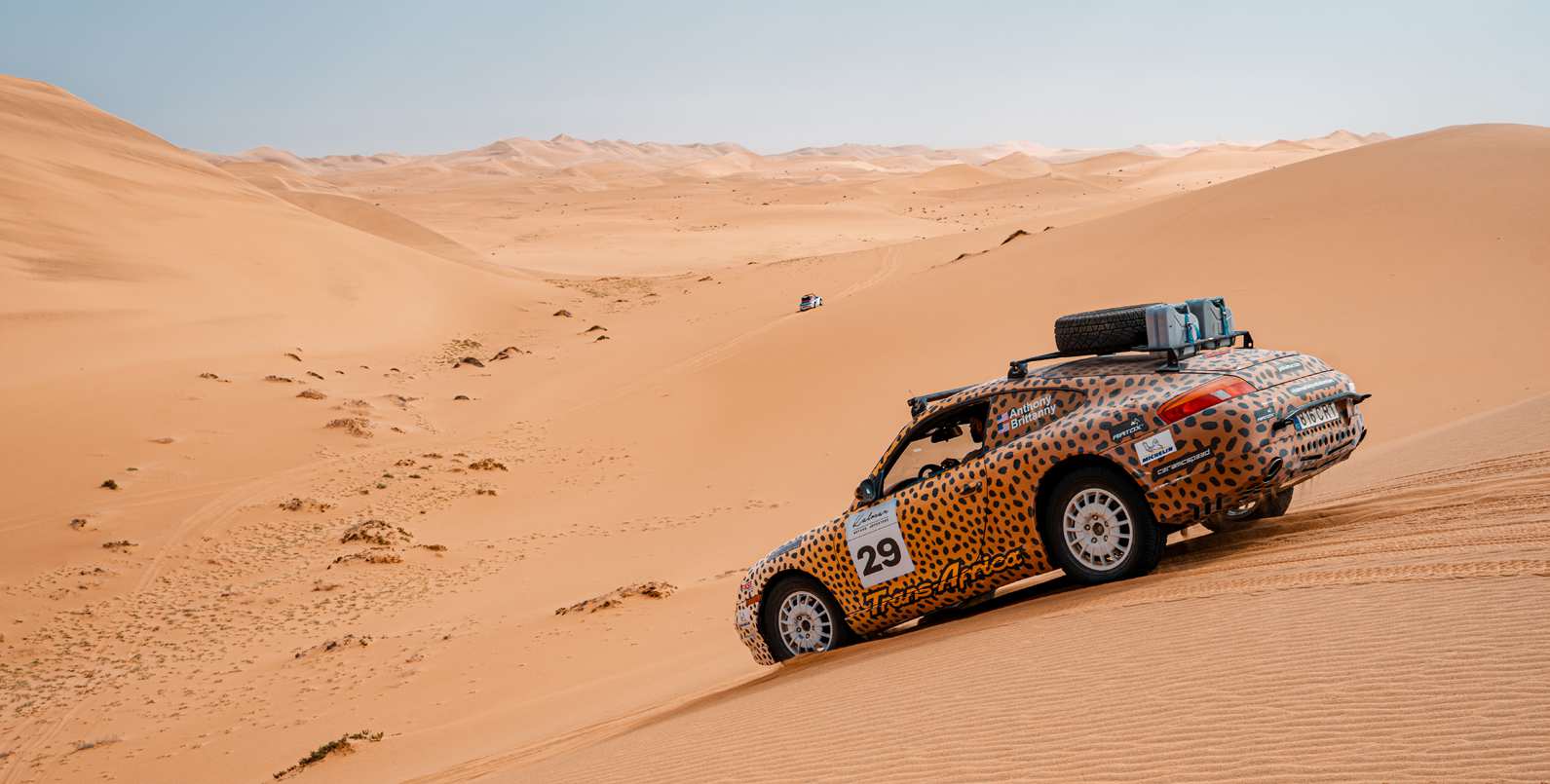
Namibia in a safari Porsche
Desert dunes, wildlife reserves and a Porsche prepared for a very different kind of road trip. A closer look at KALMAR’s Namibia expedition.
A different view through the windscreen
A Porsche belongs in plenty of familiar travel pictures: outside an Alpine hotel, beside a coastal road, parked up after a long afternoon of mountain passes. Place it among Namibia’s desert dunes and the picture becomes rather more interesting.
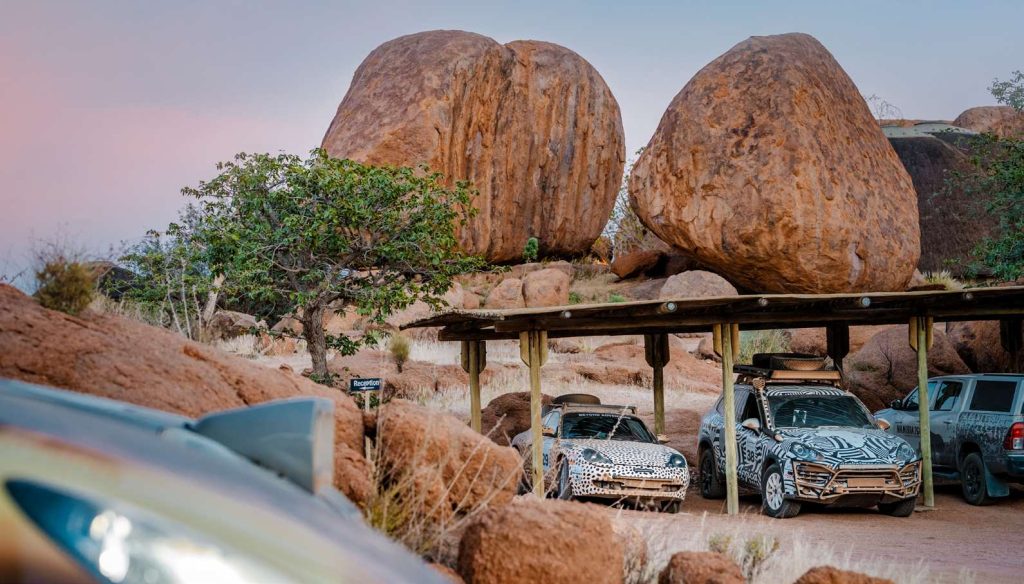
That is the appeal of KALMAR Beyond Adventure’s Namibia expedition. The vehicle is central to the journey, taking enthusiasts into terrain they would ordinarily associate with a very different kind of machine. These are specially prepared safari Porsches, supported by an expedition team and used on a route that combines gravel roads, sand, wildlife reserves and remote overnight stops.
For someone who enjoys the relationship between a car and the place they drive it, that combination has obvious appeal. There is a destination to discover, but also a new way to experience the vehicle itself.
The car is part of the reason to go
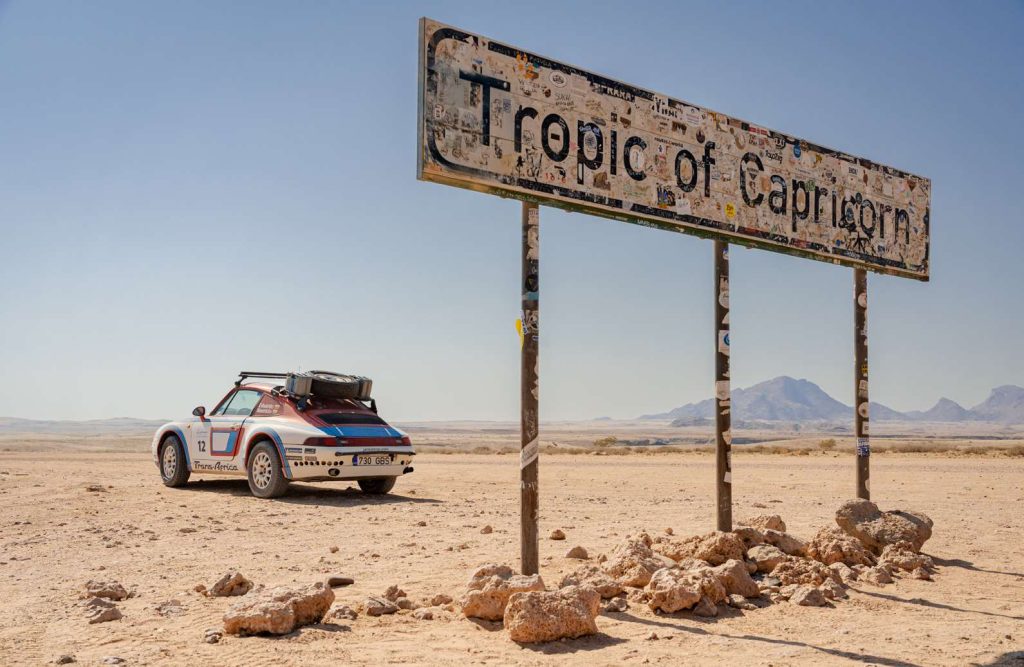
The supplied Namibia 2028 programme lists safari-prepared Porsche fleet options, with the possibility of bringing a suitable owner-supplied vehicle following KALMAR’s assessment. Exact car allocation and availability are details to discuss with the operator.
That distinction matters. This is a specialist expedition using appropriately prepared vehicles. An ordinary road car is not automatically suitable because it carries a Porsche badge, and the bring-your-own option requires a conversation about the car’s specification and condition.
Using a fleet vehicle opens the experience to people who do not own a safari Porsche. Taking an approved car of your own adds another dimension: the prospect of developing a deeper familiarity with a machine you already care about. Either way, the terrain becomes part of the story.
A journey that keeps changing
The brochure outlines approximately 3,000 kilometres through Namibia, beginning around Windhoek and Mount Etjo before heading towards Ongava and Etosha National Park. Wildlife encounters establish an early rhythm, with opportunities to explore from the car and take part in other activities along the route.
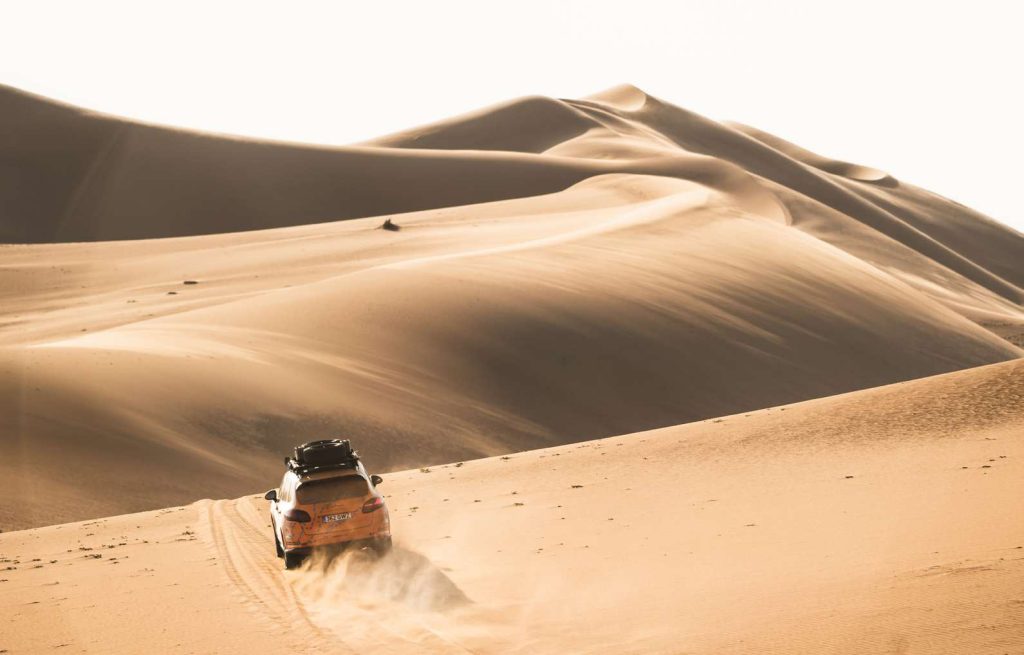
Further northwest, the roads become more demanding on the way to Purros. The programme then turns towards the Skeleton Coast, where a short distance can represent a substantial driving challenge. Dunes demand a different approach from gravel, and the group comes together for difficult sections.
The journey continues through Damaraland and towards Walvis Bay, with coastal driving subject to conditions. Later stages take the cars into the Namib Desert and the landscapes around Sossusvlei. These changes are a large part of the attraction: the experience develops as the ground beneath the tyres and the scenery beyond the windscreen change.
Daily distances also deserve attention. The proposed itinerary includes a stage of around 600 kilometres, alongside rest days and much shorter driving sections. This is a trip to assess by terrain and pace as well as mileage.
Independence, with an expedition behind you
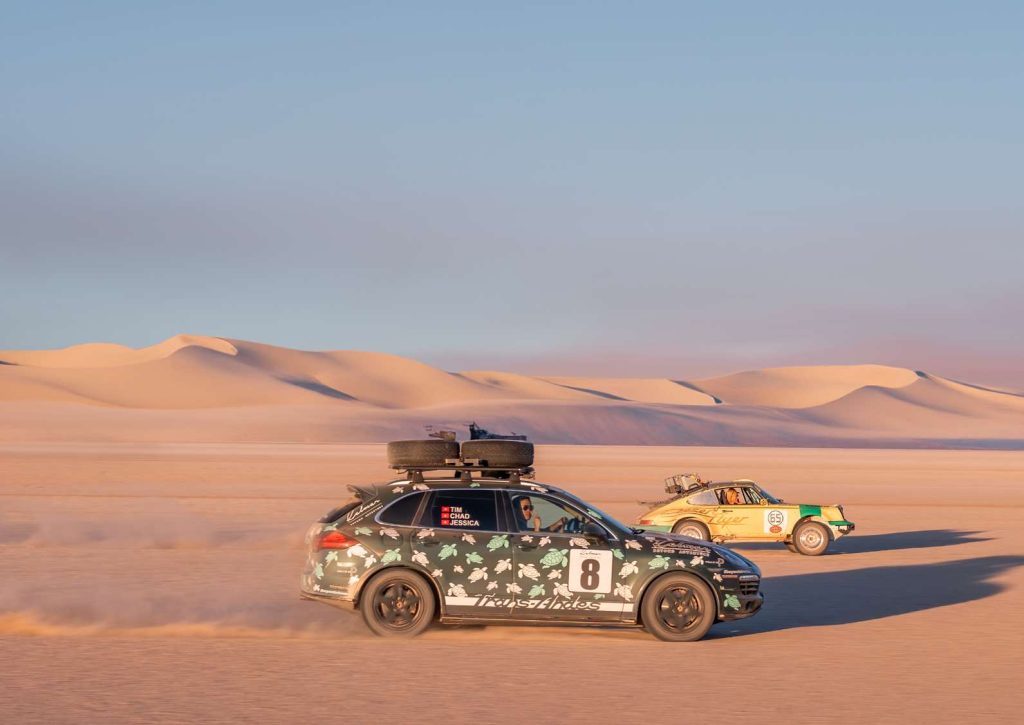
KALMAR describes a rally-style format centred on precision and navigation rather than speed. Participants drive and navigate independently during much of the journey, with the group staying together when stages become more demanding.
The support described in the brochure includes an expedition leader, an organiser, a paramedic and mechanics, with local guiding where required. Dakar Rally GPS tracking adds another layer to the organisation.
For a prospective guest, the useful questions are practical. What driving experience does KALMAR expect? How are participants briefed for sand and unfamiliar terrain? What happens if a vehicle needs attention? How much of each day is spent travelling independently? Those answers help establish whether the format matches your expectations.
The evening is part of the experience
The overnight itinerary adds considerable character. Shipwreck Lodge places guests among dunes near the Skeleton Coast, while Mowani Mountain Camp brings a stay among Damaraland’s rock formations. Pelican Point offers a remote coastal setting, and a night at KALMAR’s desert camp centres on an evening away from the usual distractions.
Scheduled rest days give the journey space between demanding stages. They create opportunities to enjoy the lodges, join excursions or take time to absorb the surroundings. Wildlife sightings, naturally, remain possibilities rather than promises.
This balance is worth considering if you are travelling as a couple. The car may be the initial attraction, but accommodation, wildlife and time outside the driving seat can matter just as much to the person sharing the journey.
Is this your kind of adventure?
KALMAR’s Namibia programme will appeal to enthusiasts who like their driving holidays to involve concentration, unfamiliar terrain and a sense of remoteness. It asks more of the participant than a relaxed scenic tour, while providing specialist organisation around the experience.
Before booking, confirm the departure dates, duration, available vehicle, room and car-sharing arrangements, required experience and all inclusions. The programme is substantial enough that those details should shape the decision from the outset.
The appeal, however, is easy to understand: the chance to explore Namibia through a car that makes the driving itself a reason to travel.
Explore the KALMAR Namibia journey on Stradora and contact the operator to discuss the experience.
Keep reading.

A French icon. On home roads.
Kevin McCloud takes the iconic Citroën DS home to France for a classic car road trip along the French Riviera…

Self-drive safari: why Africa is made for a road trip
Open roads, remarkable wildlife and somewhere extraordinary to stop for the night. Discover the appeal of exploring Africa with your…

The case for taking the long way: why the Grand Tour is back
Great roads, memorable stops and time to enjoy everything between them. Why the journey deserves as much attention as the…